


Thank you for Subscribing to Med Tech Business Review Weekly Brief

Panakes Partners
Diana Saraceni, Co-Founder and General Partner
Investment Direction In The Life Sciences Landscape
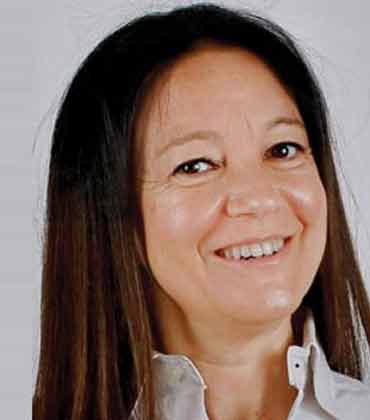
Diana Saraceni
Diana has been a Venture Capitalist for the last twelve years and has invested all over in Europe, with a particular focus in the medical devices. Previously, Diana was Senior Advisor at Lazard Investment Banking. In Lazard she was part of the Technology Team and primarily worked on M&A transactions and IPOs. Prior to Lazard, Diana spentseveral years as strategic consultant with A.T.Kearney in Milan and London. Diana was/is part of several national and international selection committees.
Could you tell us a bit about your background and expertise in the venture capital industry and how this expertise translates into helping companies in the life sciences landscape? I am a venture capitalist with over 20 years of experience investing across multiple geographies, not just in life sciences but in a variety of sectors. I have invested in various fund generations, primarily in early[1]stage European venture capital deals but also in the U.S and in Israel. Some were quite successful exits as IPOs and M&A transactions sometimes exceeded initial expectations, while others turned out to be disappointing financial losses as you would expect from investments in high-risk high[1]reward assets. I co-founded two investment firms, the first of which is 360 Capital Partners, a pan-European venture capital firm I co-founded 20 years ago. Recently, I co-founded Panakes, which now manages about $250 million out of two funds that invest in life sciences, primarily in medical technologies (devices, diagnostics, and digital health), but also in biotech through the most recently raised fund. Before becoming a venture capitalist, I worked as a management consultant at ATKearney and as an investment banker at Lazard, which gave me the relevant operational and financial investor’s perspective. The launches of 360 Capital Partners and more recently Panakes, two of the most prominent pan-European investment companies, were very entrepreneurial steps that made me very empathic with the entire startup ecosystem. I have seen a significant number of deals across various funds giving me a good understanding of the ecosystem in various countries. Is there a specific work culture or medical technology that you choose to nurture when investing in a company in the life sciences field? What do you see in a company before you decide to invest in it? The main reason a company is chosen by a venture capital investor like us is the risk-reward profile of a potential financial investment; the company’s ability to generate a significant equity value at an acceptable risk rate. During due diligence, several questions are posed to evaluate both the downside protection and the upside of investments, all of which are determined by the company’s development, regulatory path, and other technicalities. Essentially, the approach is to assess all possible future development scenarios. “As important as the market, technology, and competition are, the financial case takes precedence” In comparison, corporate venture capitalists may have a different view. A corporate venture fund may have less focus on generating financial returns as a primary target and be driven more by strategic corporate guidance i.e. to have the ability to follow closely innovative trends, prepare to acquire the best innovative companies, or be involved from the beginning in strategic development partnerships. Do you have any advice for budding entrepreneurs, fellow VCs, and investors in the field, both medical and life sciences? This may not apply to everyone, but investors active in the medical device field know that each one of us must make sure to investigate and follow each sub-segment of the sector in all its financial trends, most of which have clearly proven not to be financially rewarding, to select the hottest ones. The industry has sometimes an unfair reputation for some investments in specific market segments that have produced significant losses for investors; typically where innovation is not meant to produce solutions to big unmet medical needs and change patients’ prognosis. But there are plenty of “home runs” in the sector too, companies that produce amazing medical value and as a result, economic and financial profit. Those segments are the ones of interest to VCs and are monitored through the identification of “financial comparables”. Evaluating “financial comparables” is something that entrepreneurs should do from the get-go to understand ROI and attractiveness in the financial market. As important as the market, technology, and competition are, the financial case takes precedence, and failure to do so may restrict future fund flow and the ability to deliver on a business plan. My recommendation for entrepreneurs is to check their financial math early in the process, especially in medical devices and biotech: there are segments where it simply does not work financially. Are there any innovations in the life sciences field that you have an eye out for, or what are your expectations for the future of the life sciences landscape? Some segments are quite fascinating, and we keep a close eye on the various technologies that are being developed. Most promising fields include robotics in all its various indications, in-vitro diagnostic driven by advancements in genetics, but also neurostimulation and neuromodulation, covering a full set of novel indications in pain and beyond, nuclear medicine as a powerful weapon in oncology, and several delivery technologies to improve drug efficiency, to mention a few. Therapeutically wise, investors’ attention is mostly focused on areas with significant medical needs and big markets such as oncology, cardiovascular, and CNS that remain the most important verticals. Meanwhile, specialties such as ophthalmology and ENT are generating a great deal of interest and venture capitalists also have big budgets for innovations in any AI-enabled digital health technology. The undisputed “Lion King” of the medical device sector, as I like to describe it, is cardiovascular and there is a reason for this: developed devices are all “therapeutic devices” meaning that they have the same treatment outcome for certain diseases as many drugs in the sector and as such, have the same “financial comparables”. At the same time, they require much more limited financial resources to receive market approval. In other words, the perfect financial case for investors!The articles from these contributors are based on their personal expertise and viewpoints, and do not necessarily reflect the opinions of their employers or affiliated organizations.
